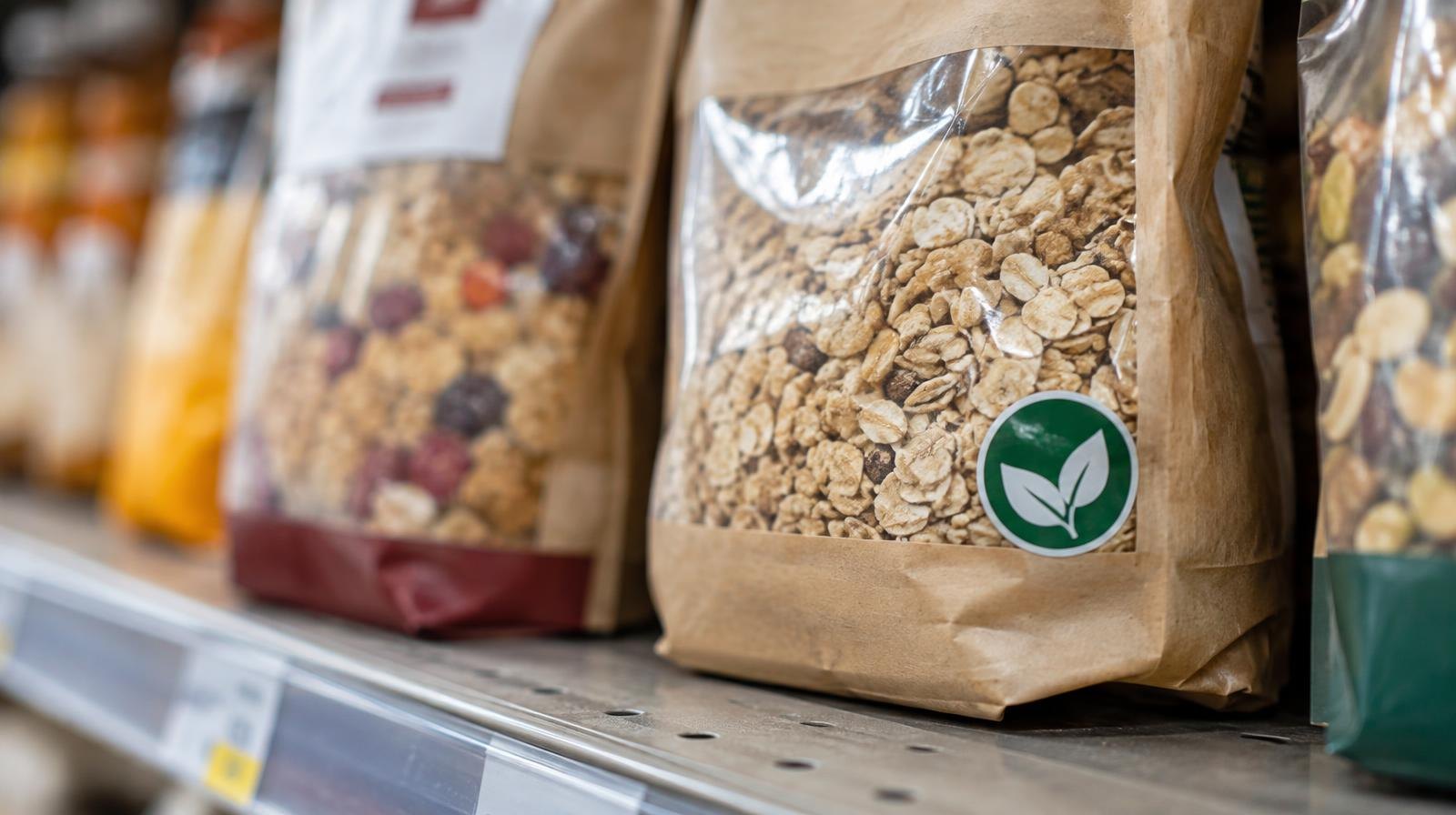
Gov. Gavin Newsom signed a law creating the nation’s first state-backed label for non-ultraprocessed foods Monday, Sept. 28, putting California on track to add the certification seal to grocery store shelves.
Assembly Bill 2244 directs the California Department of Public Health (CDPH) to create a voluntary "Non-Ultraprocessed Certified" program. Independent agents accredited by the state would review products, and manufacturers that pass could display a standardized seal on their packaging, as Bay Area Telegraph reported.
The change won't happen overnight. The enrolled bill text gives CDPH until June 1, 2029, to accredit those certification agents. The state would also publish an online list of every certified product.
What it means at the checkout line
Once the program is running, large grocery stores could face new display rules. A store with more than $10 million in gross annual sales that carries more than 25 certified items would have to make at least three of those items clearly identifiable to shoppers.
The law allows signs, shelf tags or physical separation. It does not require a dedicated aisle or storewide rearrangement.
Bay Area Telegraph cited a Walnut Creek Safeway as an example of a store where the seal could appear. Smaller stores and those carrying 25 or fewer certified products would not face the display requirement.
What won't qualify
Foods meeting specified additive criteria, including certain dyes, flavor enhancers, non-sugar sweeteners or certain processing aids would not earn the seal, according to Food Navigator. Products in state categories for ultraprocessed foods of concern or restricted school foods are also excluded. Certified products would need to be rechecked at least every three years, or sooner if a manufacturer changes the recipe.
Unanimous votes, but not without opposition
Assemblymember Jesse Gabriel, a Democrat from Encino, authored the bill. It passed the Assembly 74-0, according to a Senate Judiciary Committee analysis, and cleared the Senate without opposition. The Environmental Working Group co-sponsored the measure.
Still, the law drew opposition from the California Manufacturers & Technology Association, the Consumer Brands Association, the Calorie Control Council and the Food Ingredient Safety Coalition.
Anna Rosales, vice president of science and policy at the Institute of Food Technologists, raised a practical concern in the Los Angeles Times: "Manufacturers, retailers, schools, and consumers could eventually face different interpretations of what qualifies as an ultra-processed food."
Her worry centers on timing. The FDA and USDA are still working to develop a uniform federal definition of ultraprocessed foods.
What's next
The governor's office compared the program to the USDA Organic label: a voluntary standard where manufacturers pay for certification and consumers decide whether to seek it out. The law's grocery store display provisions are set to expire Jan. 1, 2040.
For Walnut Creek shoppers, the practical effect is still years away. CDPH must build the certification system, manufacturers must apply, and stores must stock enough certified products to trigger the display rules. The first deadline on the calendar: June 1, 2029.