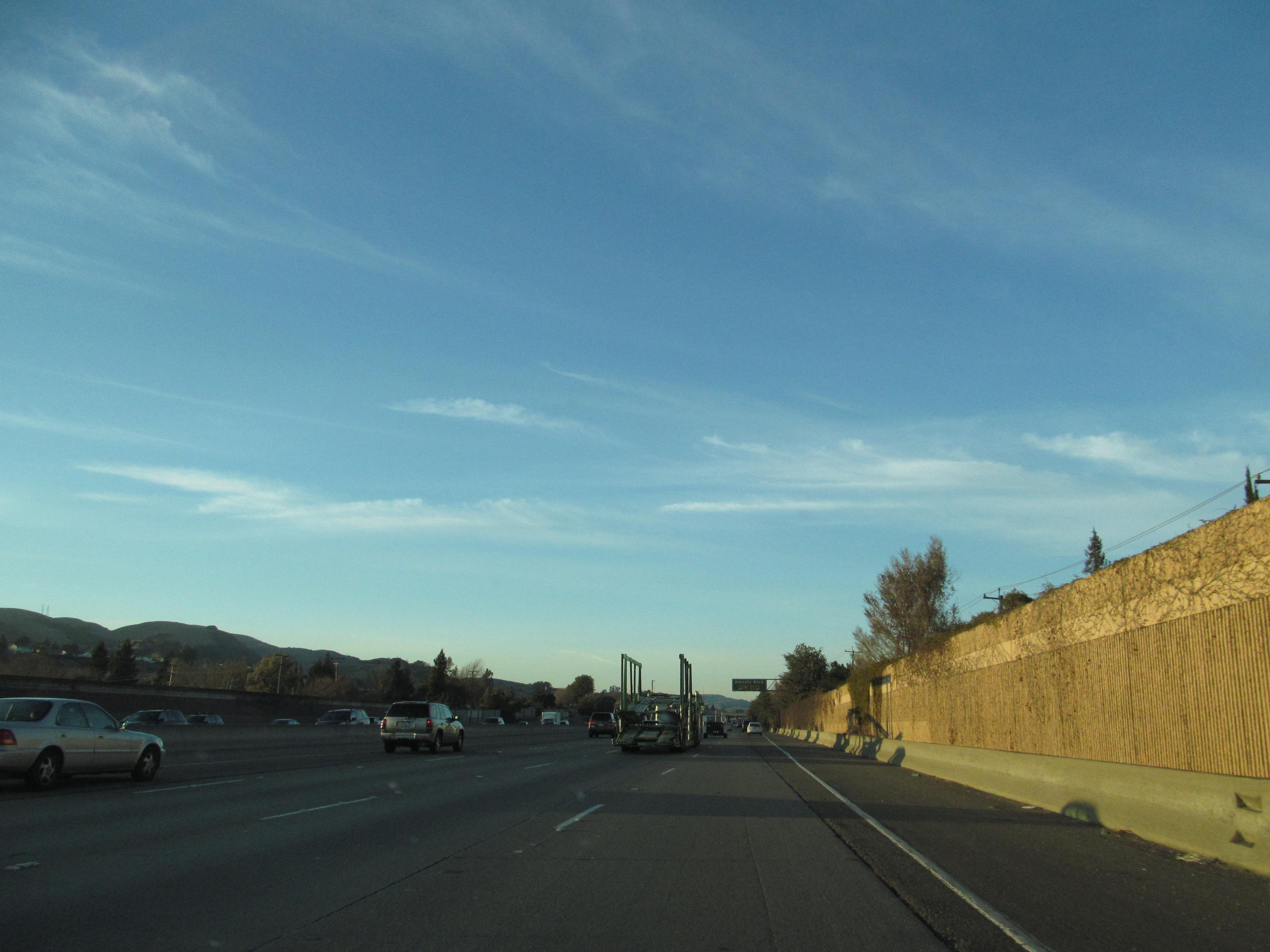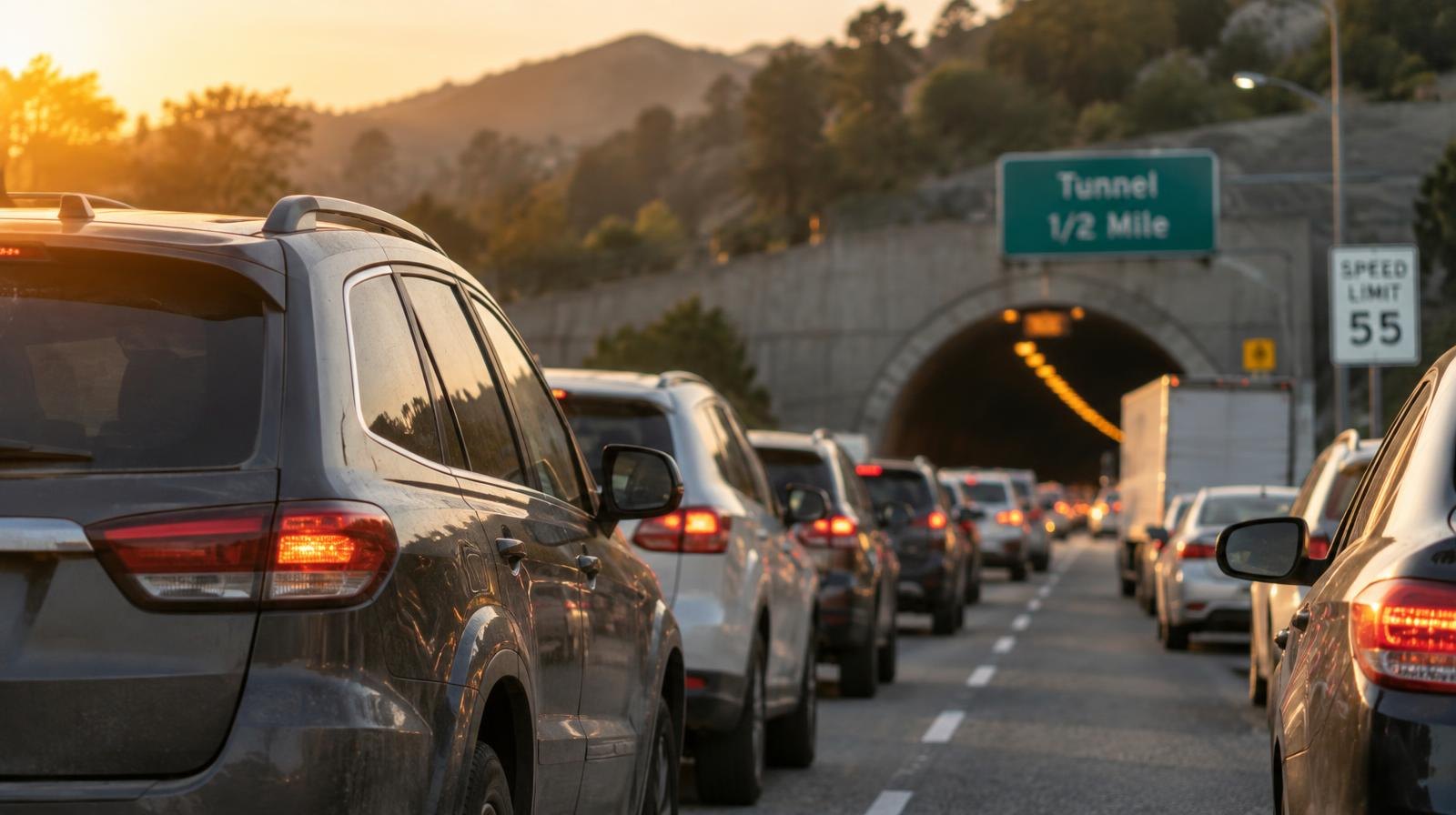
Afternoon delays at the Caldecott Tunnel would triple to 40 minutes if voters reject the Regional Transit Measure in November, according to a new analysis first reported by KQED.
Current average afternoon delays at the tunnel sit at 13 minutes.
The research brief, published Tuesday, Sept. 22, by the San Francisco Bay Area Planning and Urban Research Association (SPUR), modeled traffic impacts at eight of the Bay Area's worst freeway bottlenecks. SPUR sponsors the RTM, a half-cent sales tax on the ballot in Contra Costa and three other counties.
Bay Bridge morning delays would jump from 30 minutes to 63 minutes. Afternoon delays there would climb to 73 minutes.
East Bay commuters would face the steepest hit, according to SPUR. Drivers on I-680, State Route 24 at the Caldecott Tunnel, I-580 and I-880 could pass through multiple worsened chokepoints on a single trip.
"The impacts are going to compound for people who have to make longer multi-county regional trips, as well as to transit riders who are going to be hit hardest and first," said Laura Tolkoff, SPUR's transportation policy director.
SPUR hired Jacobs, an engineering and infrastructure consulting firm, to conduct the analysis using transit ridership and traffic volume data from September and October 2025.
Why delays would spike
BART, AC Transit, Muni and Caltrain carry 80% of Bay Area transit riders, according to SPUR. All four agencies face deep budget shortfalls. BART alone confronts a $375 million structural operating deficit beginning in fiscal year 2027, according to a Contra Costa County Civil Grand Jury report published in May 2026.
If the RTM fails, BART has said it would close up to 15 stations. Caltrain has said it would close 10. SPUR projected the agencies would shutter their lowest-ridership stations, since neither has specified which ones would go. About 430,000 people live within one mile of a BART or Caltrain station expected to close.
The cost comparison
The RTM would raise the sales tax by half a cent in Alameda, Contra Costa, San Mateo and Santa Clara counties, and by a full cent in San Francisco, for 14 years. SPUR estimated the tax would cost the average taxpayer about $82 a year.
By contrast, transit riders who switch to driving would pay roughly $3,280 more per year in fuel, tolls and parking, according to the report.
People with disabilities make about 80,000 trips daily on the region's four largest transit agencies, according to SPUR.
Opposition view
The Committee for Affordable Bay Area Transit, a campaign launched by the Contra Costa Taxpayers Association, opposes the RTM. The group has argued transit agencies should leverage existing funding and reallocate money from capital projects to reduce their deficits, according to KQED.
BART ridership hit its highest monthly total since the pandemic in June 2026, up 18.6% over June 2025, but remains at roughly 56% of pre-pandemic levels, BART reported. The agency posted a record 95% on-time rate during the quarter ending June 30, 2026, according to BART officials.
Contra Costa County voters will decide on the RTM on Tuesday, Nov. 3.