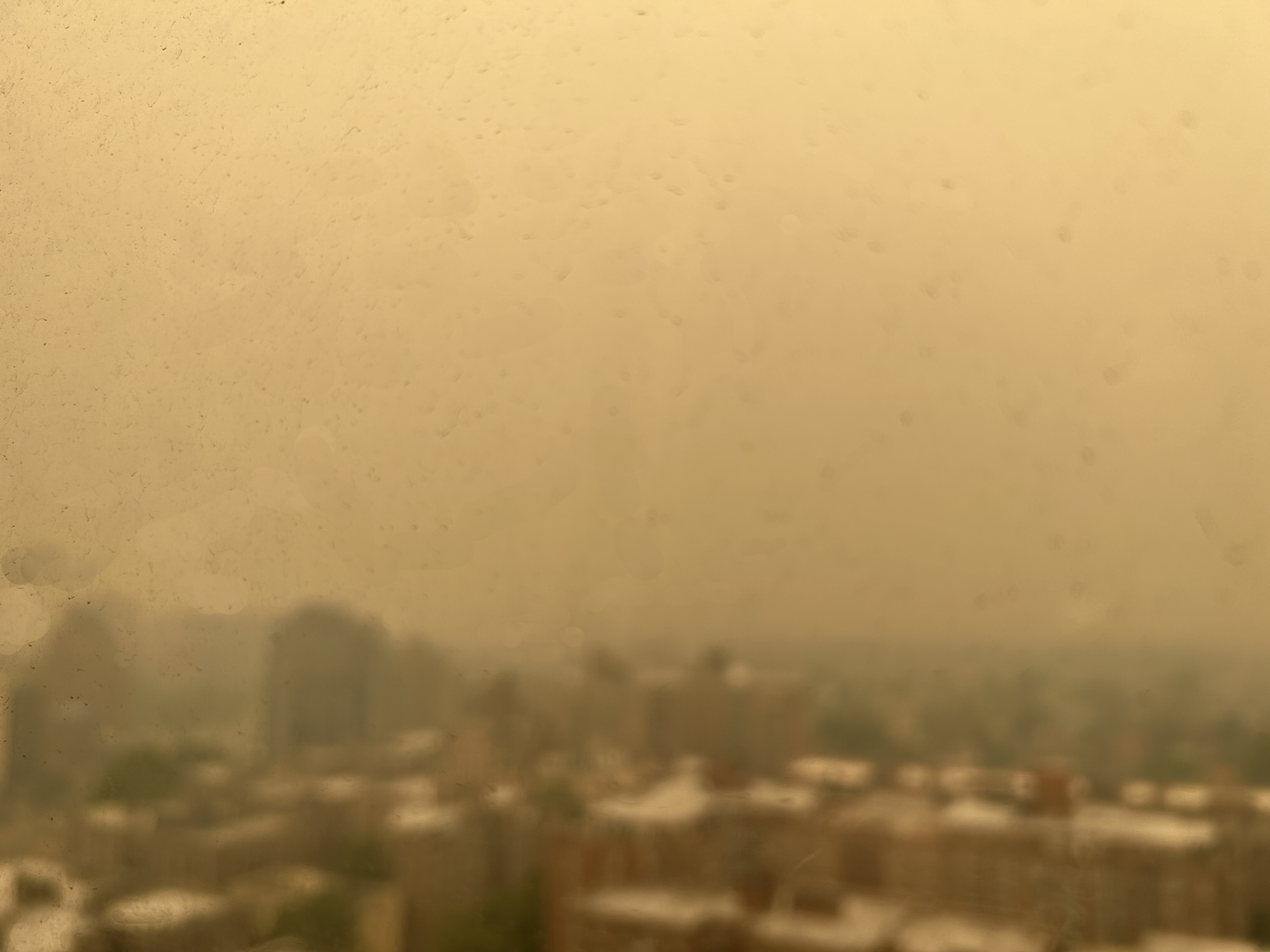
Wildfire smoke drifting south from Oregon and Washington is pushing air quality in Walnut Creek toward unhealthy levels Wednesday, Aug. 5, the second day of a Bay Area Air Quality Management District advisory urging residents to limit time outdoors.
The advisory, issued Tuesday, Aug. 4, warns that hazy skies, visible smoke and the smell of burning are possible across the Bay Area through Wednesday, Aug. 5. Air quality index readings could reach 100 to 150, a range the district classifies as "unhealthy for sensitive groups," including older adults, children and anyone with asthma, emphysema or COPD.
Duc Nguyen, a meteorologist with the air district, told KQED that smoke has already been moving south along the coast. "Essentially, it's going to enter the Bay Area right through the Golden Gate area," Nguyen said.
The smoke is coming from dozens of fires burning across the Pacific Northwest, which the National Interagency Fire Center described as exhibiting "extreme fire behavior." The Rowe Creek Complex Fire, 10 miles south of Fossil, Oregon, had burned 313,439 acres with 55% containment as of Sunday, Aug. 2. The Little Giant Fire near Lake Chelan, Washington, jumped the lake and ran at least 10 miles toward the town of Manson. Wildfires near Spokane have forced roughly 60,000 people to evacuate and destroyed hundreds of homes.
What residents should do
The air district recommends:
- Stay indoors with windows and doors closed when smoke is visible or you smell burning.
- Set car vents to recirculate to keep outside air from entering the cabin.
- Use indoor air filtration, or visit a Clean Air Center, library or mall with filtered air.
Walnut Creek School District facilities have MERV 13 filters configured to recirculate air, which the district says can eliminate PM2.5 smoke particles. The district uses AirNow as its primary air quality measurement tool.
The advisory is separate from a National Weather Service fire-danger warning issued earlier this week for offshore winds and high temperatures. That forecast addresses local fire risk; this advisory concerns smoke already generated hundreds of miles away.
No Spare the Air Alert is in effect. The air district said pollutant levels are not expected to exceed the federal 24-hour health standard.
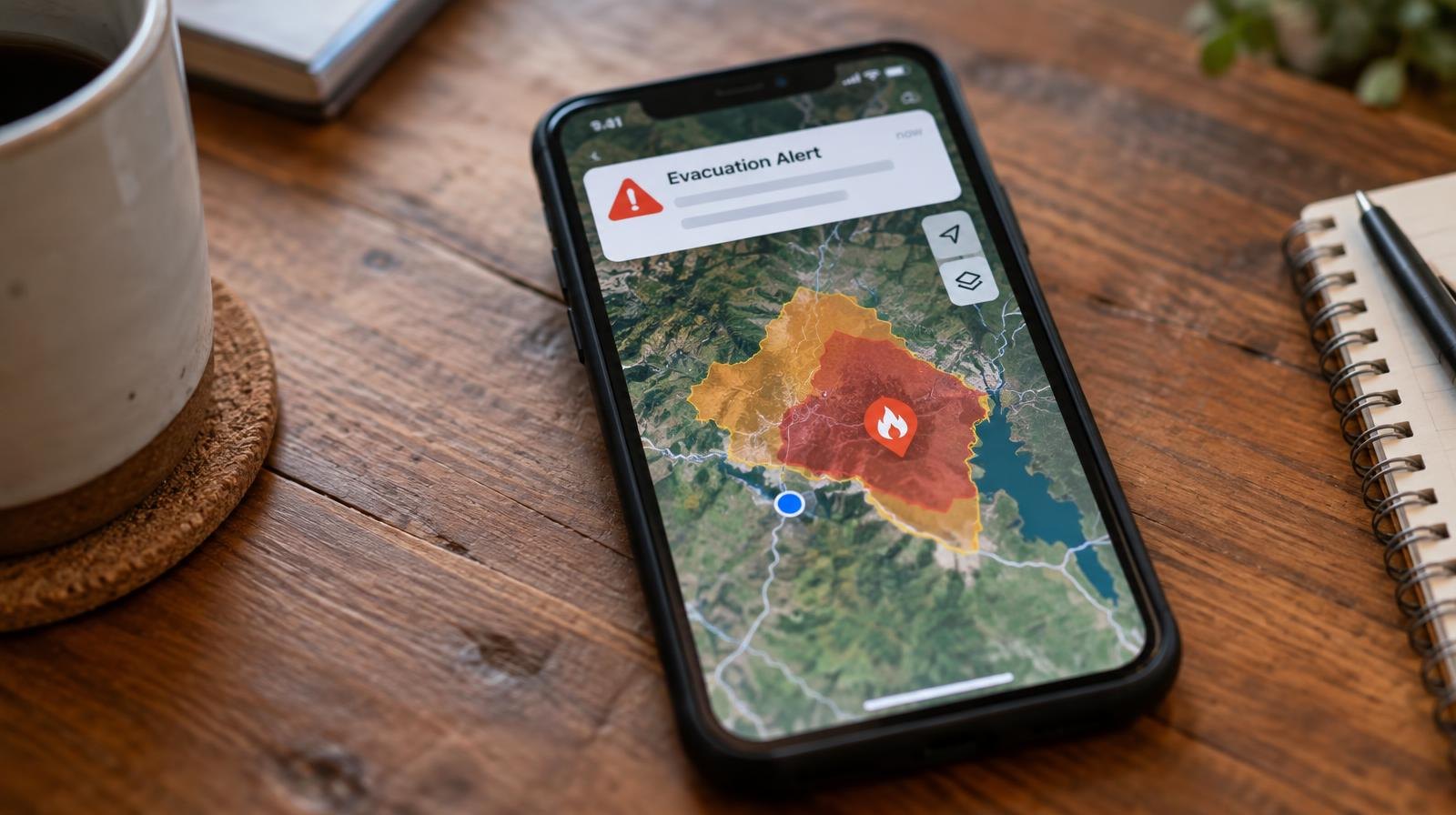
Residents hiking Mount Diablo or open-space trails should check real-time conditions at fire.airnow.gov before heading out. The advisory covers Tuesday, Aug. 4, through Wednesday, Aug. 5, but the air district said it will continue monitoring conditions beyond Wednesday.