Contra Costa County has confirmed eight human cases of West Nile virus this year, placing the county among the hardest-hit in California as the state experiences its highest level of virus activity in five years.
The California Department of Public Health announced Thursday, Aug. 20, that as of Aug. 14, 30 people across the state had contracted West Nile virus in 2026, including three who died. That total exceeds the five-year average for this point in the year, according to CDPH.
Only San Bernardino and Shasta counties, with 10 cases each, have reported more infections than Contra Costa's eight.
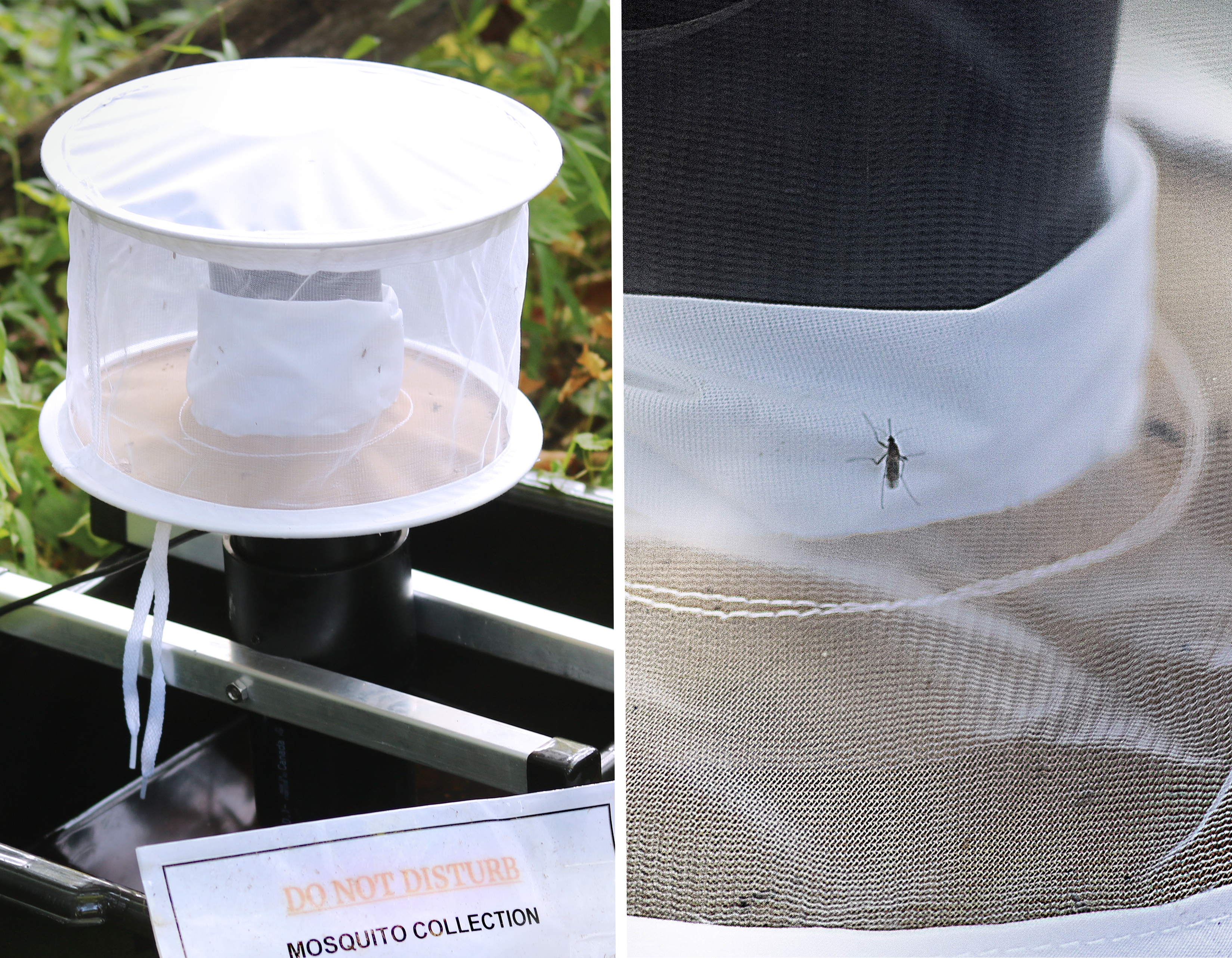
The human case count represents a sharp escalation from earlier this month. As of Aug. 8, the Contra Costa Mosquito and Vector Control District had confirmed seven birds and one group of mosquitoes testing positive countywide, with no human cases reported at that time.
"West Nile virus can be fatal, particularly for the elderly and immunocompromised," said Dr. Erica Pan, CDPH director and state health officer. "August and September are peak periods of West Nile virus transmission in the state, so we urge everyone to take precautions to protect themselves against mosquito bites."
Statewide surveillance shows elevated spread
Signs of the virus have been detected in 32 California counties through testing of mosquitoes, dead birds, sentinel chickens and horses. More than 24% of dead birds tested positive this year, nearly double the five-year average of 13%. The mosquito infection rate has also climbed: 8 out of every 1,000 mosquitoes tested are carrying the virus, up from a five-year average of 5 per 1,000, according to CDPH.
Neighboring Alameda County has reported no human cases but has logged 32 dead bird detections and five positive mosquito samples.
Who is most at risk
People 60 and older face the greatest danger, along with those with diabetes, hypertension, chronic kidney disease or weakened immune systems, according to the Centers for Disease Control and Prevention.
CDC guidance issued in June warns that people taking certain immunosuppressive medications face a higher risk of severe illness and death from mosquito-borne viruses including West Nile.
There is no vaccine or specific antiviral treatment for West Nile virus. Treatment is generally supportive, according to the CDC.
How Walnut Creek residents can protect themselves
CDPH recommends the "Three Ds":
- DEET: Use EPA-registered insect repellent containing DEET, picaridin, oil of lemon eucalyptus or IR3535.
- Dawn and Dusk: Avoid outdoor activity during early morning and evening hours when Culex mosquitoes are most active. Wear long sleeves and pants, and check that window and door screens fit tightly.
- Drain: Empty standing water from flowerpots, buckets, old tires and other containers where mosquitoes breed.
The Contra Costa Mosquito and Vector Control District offers free residential inspections. Residents can call the district at (925) 685-9301 or report dead birds at westnile.ca.gov or 1-877-WNV-BIRD (968-2473).
The district's board includes Walnut Creek trustee Peggie Howell.