Walnut Creek city facilities cannot use drinking water on decorative grass after Jan. 1, 2027. A state law also sets later deadlines for commercial properties and HOA common areas, with fines of up to $1,000 per day for violations.
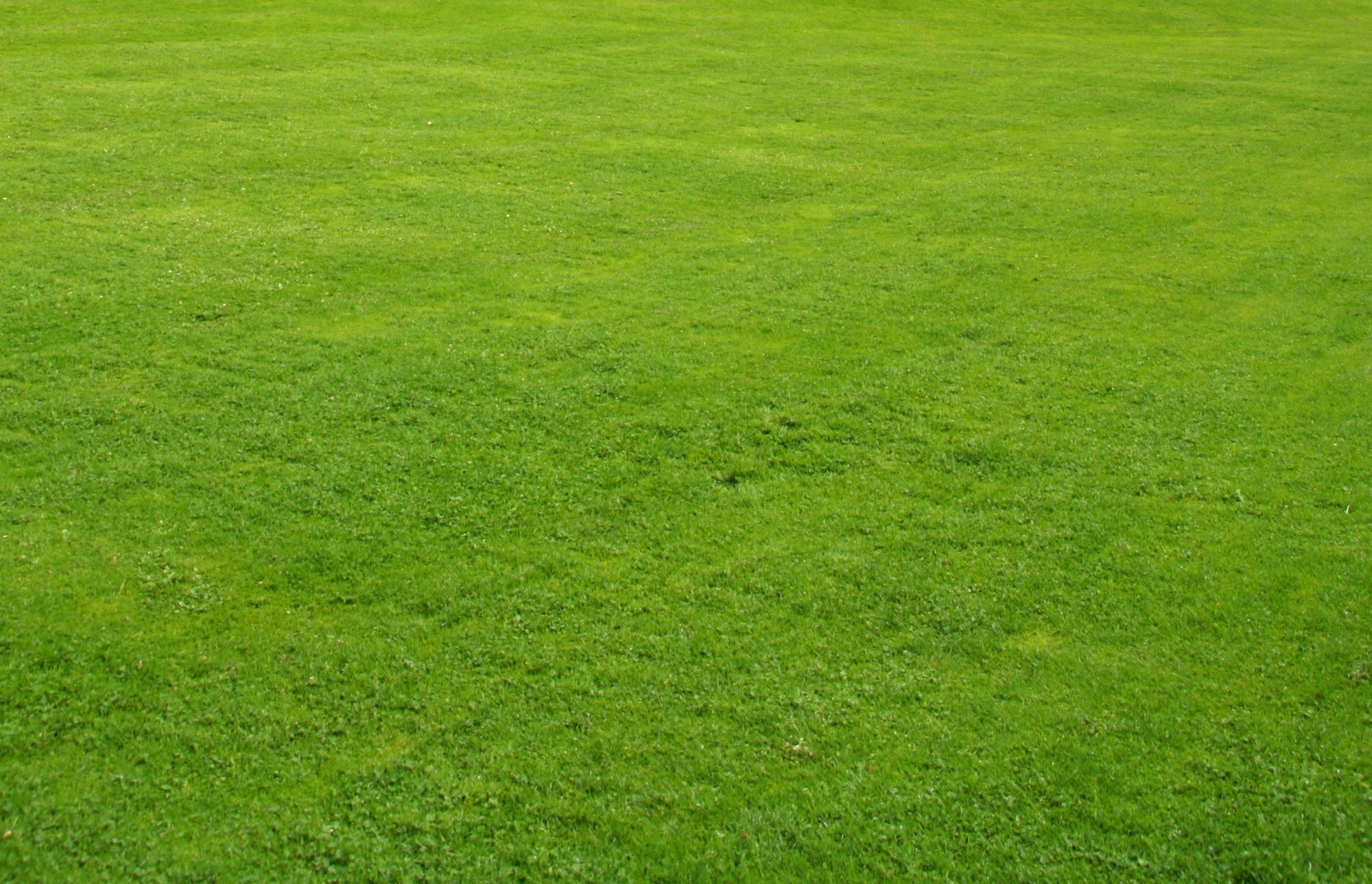
Assembly Bill 1572 (AB 1572), signed by Gov. Gavin Newsom in October 2023, targets what the state calls "nonfunctional turf." That means grass nobody plays on or gathers around, as the Bay Area Telegraph reported Sept. 9. Examples include the mowed strip around a business sign, a lawn inside a parking lot or decorative turf behind a barrier that keeps people off it.
Parks, sports fields and lawns used for recreation are not covered. Neither are private residential yards, including individual homes within an HOA, according to the State Water Resources Control Board's FAQ on the law, last updated July 29.
The deadlines roll out in stages. City, county and special-district properties face the Jan. 1, 2027, cutoff. Commercial, industrial and institutional properties must comply by Jan. 1, 2028. HOA and common-interest-development common areas have until Jan. 1, 2029. Properties in disadvantaged communities get until Jan. 1, 2031, or whenever state conversion funding arrives, whichever is later.
The law does not require anyone to rip out a lawn. It restricts only how covered grass can be watered. Potable water is banned; recycled nonpotable water is still allowed. Watering to keep trees and other perennial plants alive is also permitted, as is water needed for immediate health and safety.
Violations can carry civil penalties of up to $1,000 per day under state enforcement rules. Local water suppliers can impose their own penalties, too.
Most property owners aren't ready
A survey of landscape and property companies at the Central Coast Water Summit in Santa Cruz in June found that 80 percent said their clients are still waiting for direction or avoiding the subject, the Chicago Tribune reported Sept. 8.
The East Bay Municipal Utility District (EBMUD), which serves Walnut Creek, is offering rebates for landscape conversions and free consultations with landscape architects for large property owners. Geneva Gondak, a water conservation supervisor for EBMUD, told the Tribune the district likely will not fine violators unless the state enters a drought again.
"We don't want to see all of these green areas turn into dead patches, and we don't want the trees to die," Gondak said.
James Nachbaur, director of research, planning and performance at the State Water Resources Control Board, told the Tribune the agency is focused on education over immediate penalties.
What HOA boards should know
Individual homeowner lawns inside an HOA are exempt. But shared decorative landscaping in common areas is not. The key question for each HOA is which shared lawns serve a recreational or community purpose and which are purely decorative. The state directs property owners with questions about specific parcels to their local water provider.
HOAs with more than 5,000 square feet of irrigated common area must certify compliance to the State Water Resources Control Board by June 30, 2031, and every three years after that until 2040.
A legal alert from Best Best & Krieger LLP published Sept. 3 urged local governments to begin a property-by-property inventory now, noting that landscaped medians, parkways, parking lots and utility facilities can easily be missed.
Residents with questions about whether a specific lawn is covered can contact EBMUD, Walnut Creek's water provider.