Some Walnut Creek homeowners in designated high-fire-risk areas will need to remove bark mulch, dead vegetation and firewood from within five feet of their homes under first-in-the-nation wildfire safety rules approved Thursday by the California Board of Forestry and Fire Protection.
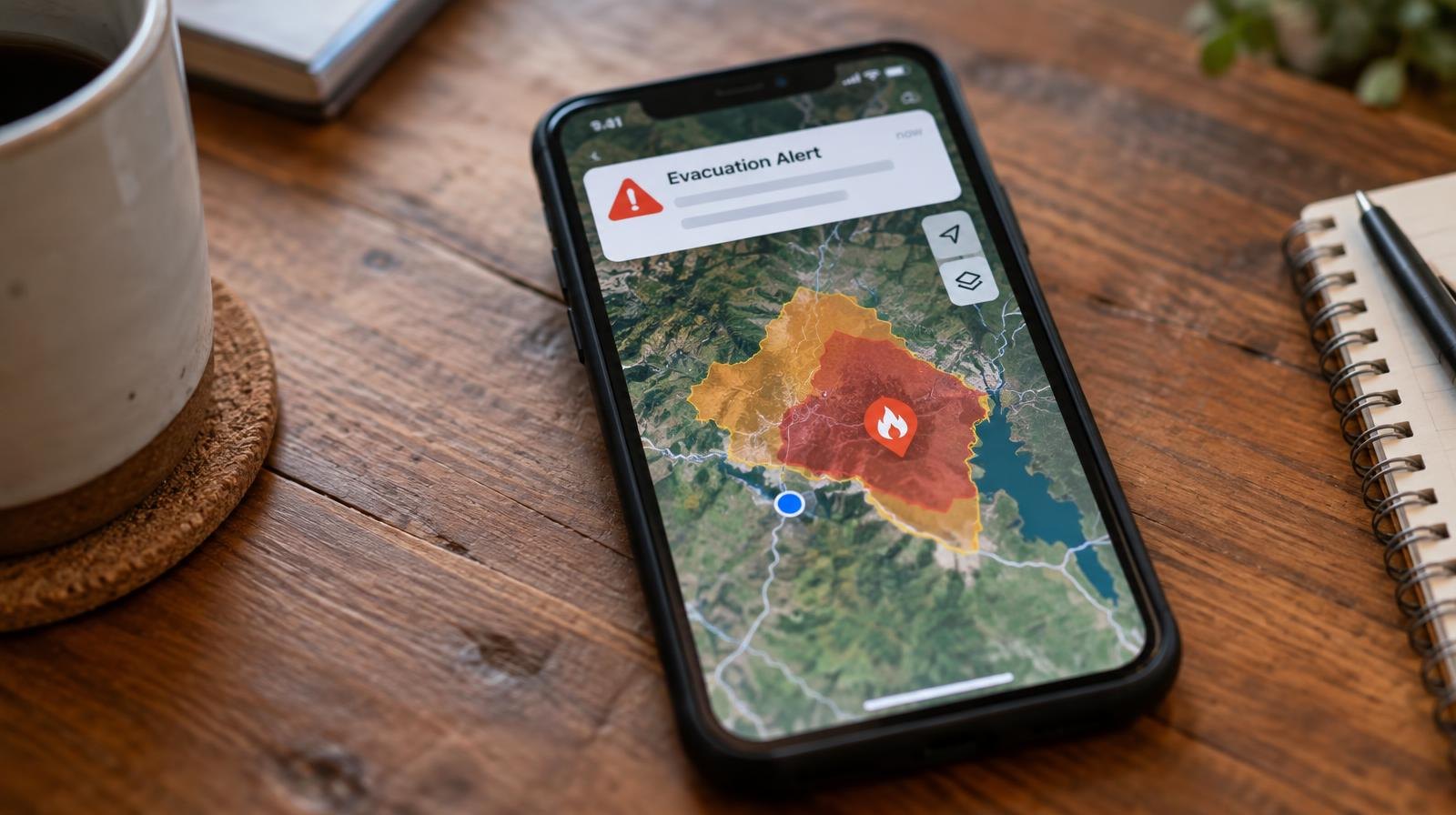
The board voted unanimously on Thursday, Aug. 20, to adopt Zone 0 defensible space regulations, which apply to homes in State Responsibility Areas and Very High Fire Hazard Severity Zones within local responsibility areas. In Walnut Creek, homeowners should verify whether their property is covered using CAL FIRE's Fire Hazard Severity Zone viewer.
What homeowners must do
The rules create two sub-areas within the five-foot perimeter: a non-combustible "safety zone" directly against the home and under eaves (at least one foot wide), and a "low-combustibility zone" covering roughly four feet beyond that.
No combustible materials are allowed anywhere in Zone 0. That means no bark mulch, wood chips, dead leaves or firewood on the ground, on roofs or in gutters. Vegetation is banned within one foot of structures, within two feet of windows, doors and vents, and within five feet of attached decks.
Homeowners can still keep well-maintained flowers, succulents, low ground covers like creeping thyme, maintained grass and potted plants in non-combustible containers. Trees are allowed but must be trimmed: branches kept 10 feet from chimneys, five feet above roofs and never under eaves.
Timeline
The regulations are expected to take effect for new construction as soon as September, after review by the California Office of Administrative Law and publication by the Secretary of State. Existing homes face a phased timeline:
- Phase 1 (within three years): Remove combustible items within five feet, clean gutters, remove dead plants and trim trees.
- Phase 2 (within five years): Replace combustible gates and fencing with non-combustible alternatives where they attach to the home, create under-eave safety zones and upgrade sheds and outbuildings.
The board emphasized that the rollout will prioritize education and outreach over penalties.
Why it matters locally
A 2019 study found 90% of structures damaged or destroyed in wildfires were first ignited by embers, USA Today reported. A UC Berkeley study of five major California fires from 2017 to 2020 found properties that cleared Zone 0 vegetation had a 37% survival rate, compared with 20% for those that took no precautions.
Local jurisdictions may adopt alternative approaches or stricter standards, provided they coordinate with their local fire agency and get approval from their city council or county board.
What's next
The adopted regulation package must clear a review by the California Office of Administrative Law, including a five-day public comment period, before the Secretary of State publishes it. The exact effective date has not been confirmed. Residents can check whether their property falls in a Very High Fire Hazard Severity Zone using Cal Fire's online FHSZ viewer.