A $5,240 weather station funded by Walnut Creek-based Save Mount Diablo is helping scientists keep a critically endangered lizard alive long enough to survive in the wild.
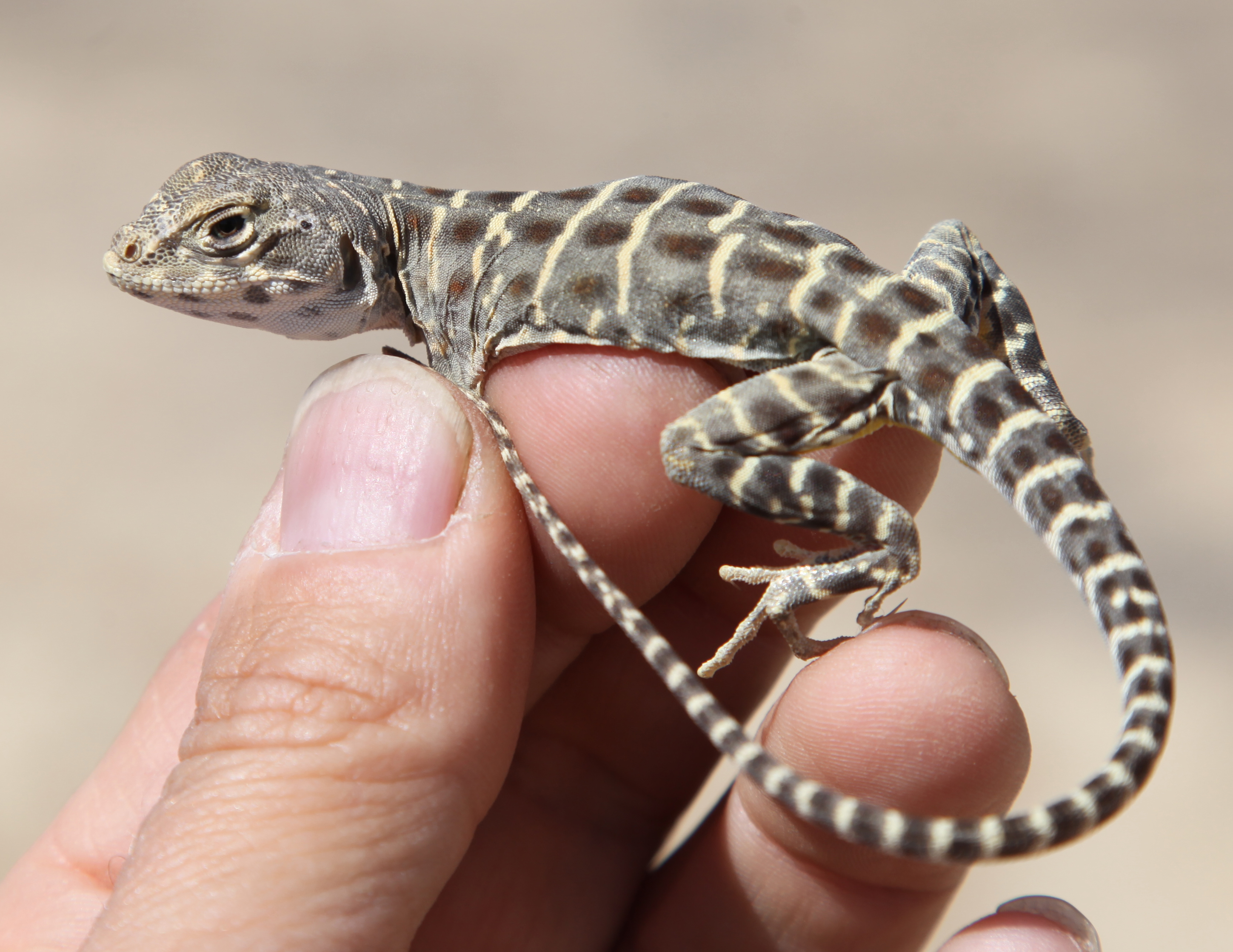
The blunt-nosed leopard lizard, known as the "Valley Dragon," has vanished from 85 percent of its historical range along the Diablo Range and San Joaquin Desert. In 2020, researchers at the Fresno Chaffee Zoo found the Panoche Plateau population teetering toward extinction. They received emergency permission to collect seven lizards and attempt captive breeding.
The program is working. Zoo staff have reared 234 lizards from that original group of seven, and 118 have been released into the wild since 2023, according to a Save Mount Diablo blog post published Thursday, Aug. 13. The California Department of Fish and Wildlife estimated in July that the Panoche subpopulation now numbers about 50.
But survival after release remains brutal. About half the captive-bred lizards fall to predators shortly after release. Of those that survive, half die during their first dormancy period underground. Only about 25 percent of each cohort reaches adulthood.
That is where Save Mount Diablo's investment comes in.
In November 2024, the nonprofit funded a custom weather station on the Panoche Plateau through a $5,240 grant from its Mary Bowerman Science and Research Program, according to a Land Trust Alliance Instagram post. The station tracks soil temperature, soil moisture and solar radiation.
The data revealed that underground burrow temperatures where the lizards overwinter range between the high 40s and low 50s degrees. Dr. Rory Telemeco, director of conservation science at the Fresno Chaffee Zoo, adjusted lab temperatures to match those conditions. The result: better dormancy survival rates in captivity.
"We're trying to replicate natural rearing conditions to produce animals that are best equipped to thrive back in the wild," Telemeco said.
The species spends more than half its roughly two-year lifespan dormant underground, from July through April. Getting that temperature right matters.
Each released lizard wears a radio transmitter so scientists can track its movements. Researchers have observed courtship behavior among released animals but have not yet confirmed wild reproduction. The recovery goal is steep: 50 or more natural-born females reproducing successfully for three consecutive years before the program is considered complete.
Partners in the effort include the California Department of Fish and Wildlife, Bureau of Land Management, U.S. Fish and Wildlife Service and Save Mount Diablo. In spring 2026, staff from CDFW and Save Mount Diablo joined the zoo to release another cohort, including the milestone 100th lizard bred in human care.
When the Panoche population stabilizes, Telemeco's team plans to expand rewilding to other populations of the Valley Dragon across its remaining range.