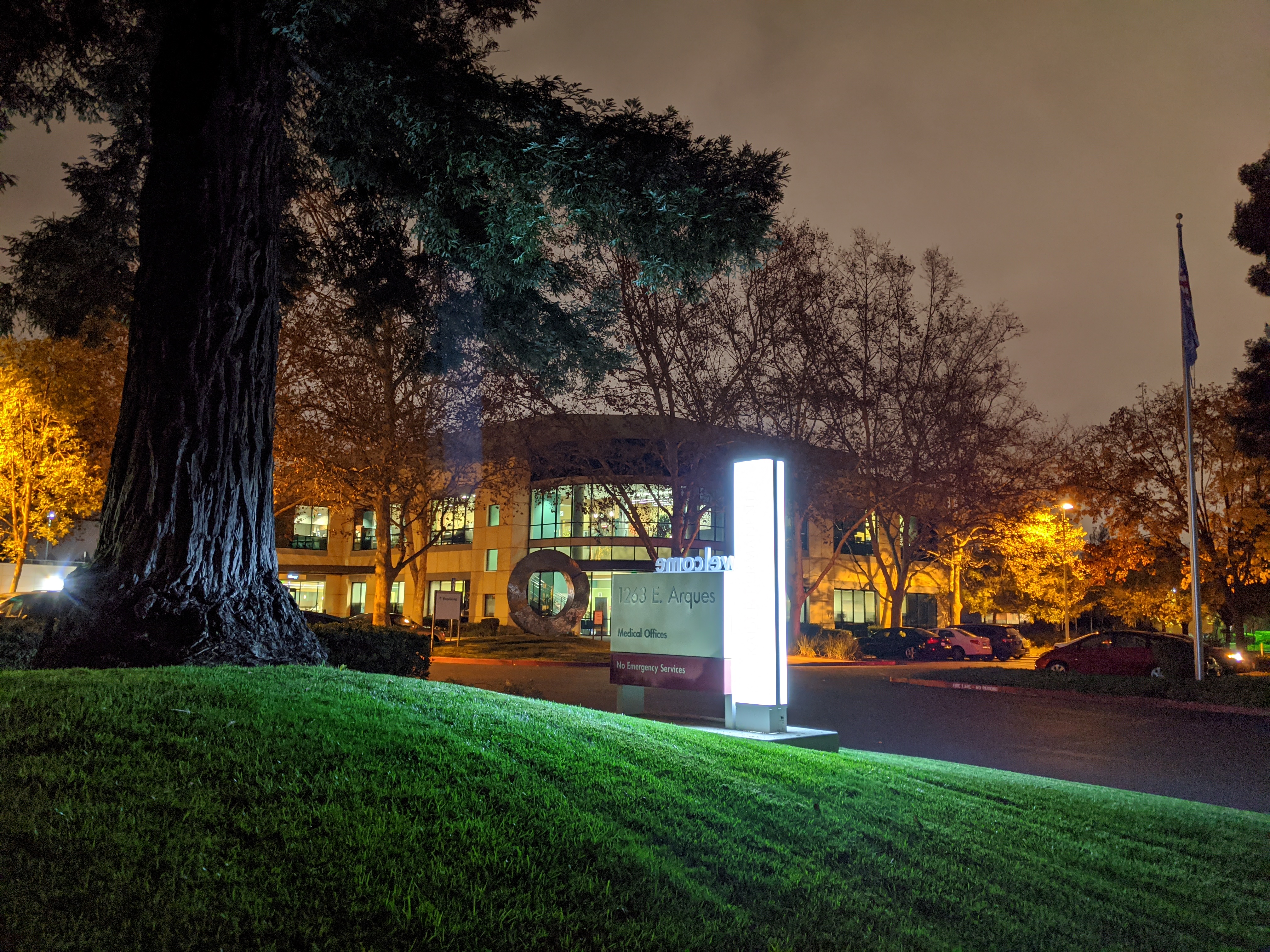
Nurses at Kaiser Walnut Creek Medical Center walked an informational picket line Tuesday, Sept. 1, as part of a statewide action over staffing and the use of artificial intelligence in patient care.
The picket was one of 22 across California organized by the California Nurses Association (CNA), which represents more than 25,000 Kaiser nurses. The union's contract with Kaiser Permanente expired Monday, Aug. 31, and bargaining that began in early August has not yet reached the topic of wages, KQED reported.
Amy Scott-Slovick, a registered nurse who has worked at Kaiser Walnut Creek for 29 years, pointed to remote patient monitoring as one example of technology replacing bedside staff. In that setup, a camera takes the place of an employee who would otherwise sit with patients who may be confused, have dementia or be at risk of falling.
"There's no reason they can't have a sitter sitting there, but instead they opt to go cheaper," Scott-Slovick told the Almanac.
The union wants Kaiser to fully staff every unit and shift and to give nurses a role in decisions about how AI is tested and introduced in clinical settings. At the Oakland picket, nurses wore scarlet-colored clothing and held signs calling for safe staffing, according to KQED.
Craig Cedotal, a veteran pediatric nurse at Kaiser Oakland, said nurses have filed roughly 5,000 "assignment despite objection" forms, documents staff use to flag concerns about a shift. He described the volume as evidence of chronic short staffing across the system.
Kaiser spokesperson Elissa Harrington said in a statement that the health system meets and often exceeds California's mandated nurse-to-patient ratios. Harrington said staffing is adjusted each shift based on patient needs, using a classification system developed with CNA-represented nurses, according to the SF Examiner. Kaiser also reported that 95% of its CNA-represented nurses in Northern California stay with the system year to year.
On the AI question, Harrington said Kaiser's technology supports nurses and does not interfere with their clinical judgment or replace them in delivering patient care.
The labor dispute comes months after a federal settlement over Kaiser's mental health services. In February, the U.S. Department of Labor announced Kaiser would pay $28 million to members who had to seek out-of-network mental health and substance use disorder care, plus $2.8 million in penalties, according to Reuters. The settlement resolved investigations covering January 2021 through September 2024.
The two sides were expected to resume contract talks Wednesday, Sept. 2.
No strike authorization vote or escalation timeline has been announced.