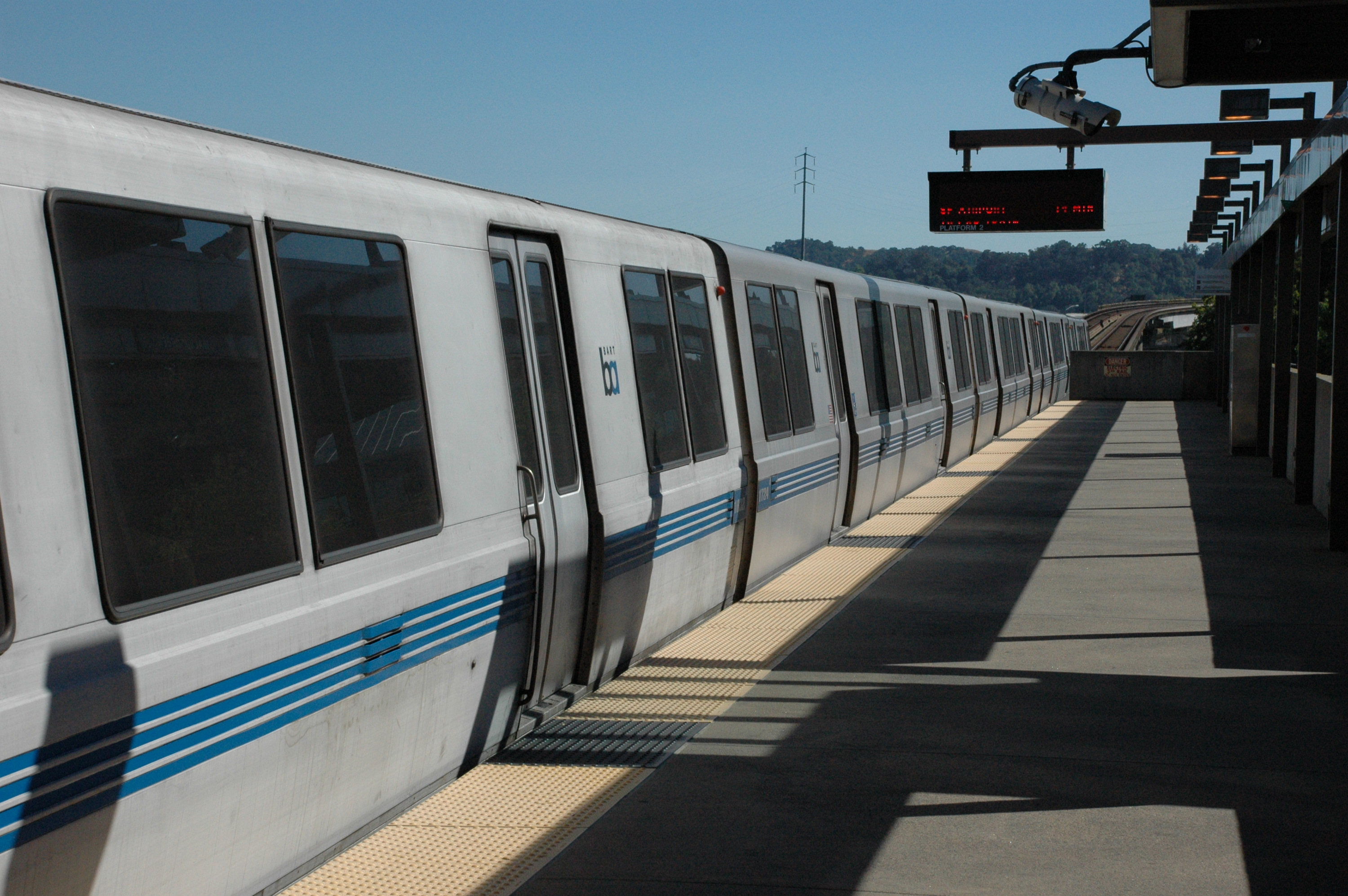
Walnut Creek shoppers will see a new half-cent sales tax on every purchase if voters across five Bay Area counties approve the Connect Bay Area Transit measure on Nov. 3.
The state Legislature created a special taxing district last year, and the unelected board that runs it put the measure on the ballot after a signature campaign blew past its threshold. A lawsuit filed Aug. 18 is now trying to pull it off.
An unelected board controls the tax
Senate Bill 63, signed into law in 2025 by state Sens. Scott Wiener of San Francisco and Jesse Arreguín of Berkeley, created the Public Transit Revenue Measure District, spanning Alameda, Contra Costa, San Mateo and Santa Clara counties plus San Francisco. The district has no separately elected board — it's governed by the same commissioners who sit on the Metropolitan Transportation Commission, the regional planning agency based in Oakland, according to the Contra Costa Herald. That means the MTC board doubled as the taxing authority that placed the measure on the ballot.
SB 63 also authorized a citizen-signature path onto the ballot. A campaign backing the measure collected more than 300,000 signatures, well above the roughly 186,000 needed, KQED reported. District officials certified the signatures in July, and the board voted to request a special election consolidated with the Nov. 3 general election.
What Contra Costa voters would pay
The measure imposes a 0.5% retail sales tax in Contra Costa, Alameda, San Mateo and Santa Clara counties and a 1% tax in San Francisco for 14 years. The tax would not count toward the statutory cap on combined local sales tax rates, according to the district's impartial analysis.
The official estimate pegs revenue at roughly $980 million per year. Opponents argue the correct figure, averaged over 14 years, is closer to $1.2 billion annually.
Passage requires a simple majority of votes across all five counties combined — Contra Costa voters cannot block it alone. In Contra Costa County, road repavement on roads served by fixed-route transit is an authorized use of the revenue; that provision does not apply in San Francisco.
Why transit agencies say they need it
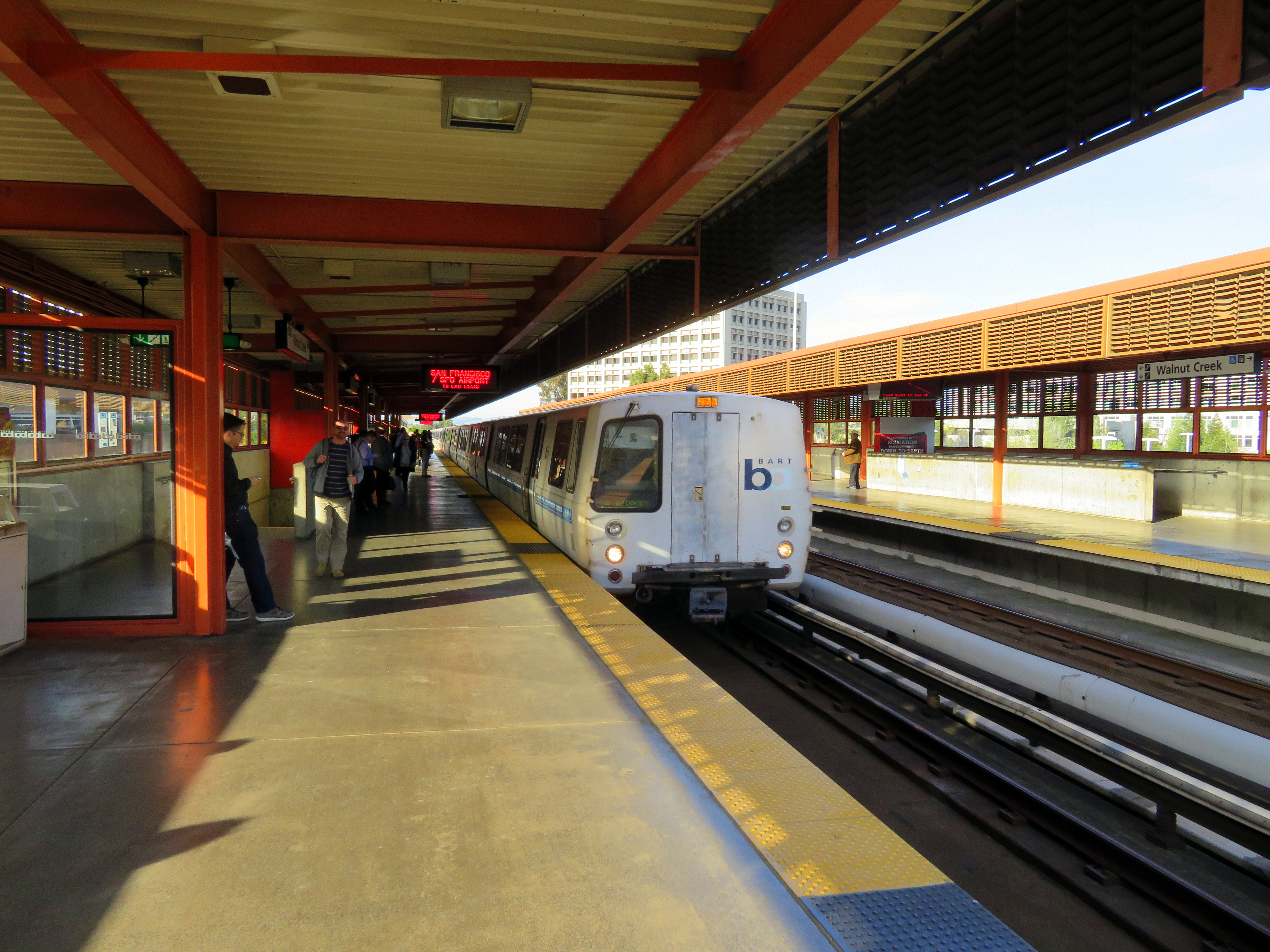
BART faces a projected $375 million structural operating deficit beginning in fiscal year 2027, according to a Contra Costa County Grand Jury report. Without new revenue, BART has warned it may close 10 to 15 stations and two lines. Caltrain could cut weekend service and end weekday trains after 9 p.m.
"Our focus right now is explaining to voters that if we don't pass this measure, there will be catastrophic cuts to public transit that will hurt communities in all five counties," Jeff Cretan, a spokesperson for Connect Bay Area, told the Mercury News.
Lawsuit challenges ballot language
The Committee for Affordable Bay Area Transit filed suit Tuesday, Aug. 18, in Santa Clara County Superior Court, alleging the ballot question and impartial analysis are biased. Marc Joffe, president of the Contra Costa Taxpayers Association and one of 10 petitioners, said the language "reads like a commercial for the tax, and that's just not right."
MTC spokesperson Rebecca Long said the ballot language was prepared in accordance with California election law and the district will defend it in court. No hearing date has been announced.
SB 63 requires BART, Muni, AC Transit and Caltrain to undergo financial efficiency reviews before receiving funds, with MTC able to withhold money for noncompliance. The next deadline is Aug. 28, when all ballot materials must be finalized. The election is Nov. 3.