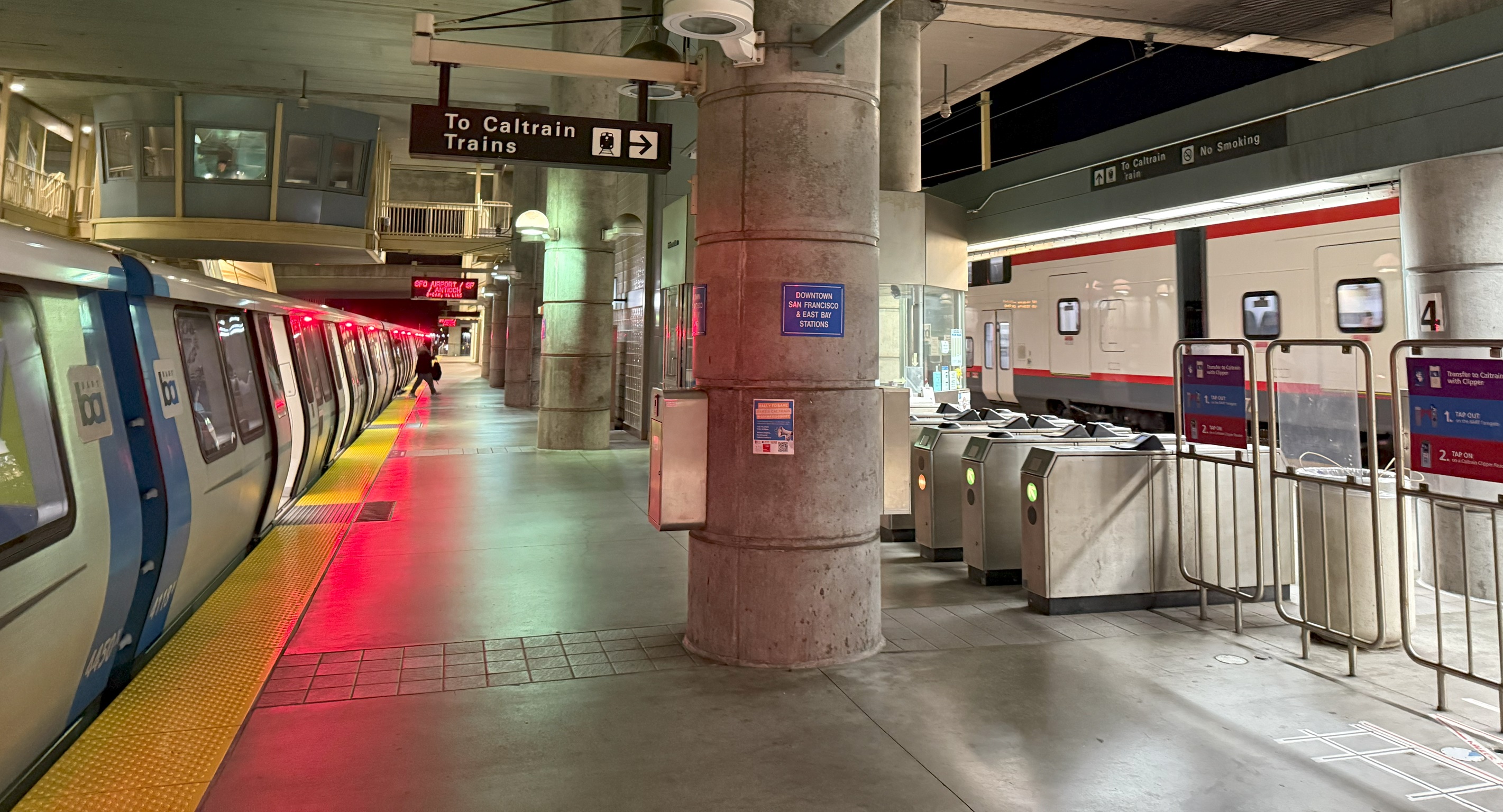
Crime against riders fell 67% per million trips since the end of 2024, BART said on X Tuesday, Sept. 8.
The decline spans all 50 stations, including Walnut Creek, where the transit agency installed Next Generation Fare Gates as part of a systemwide rollout completed about a year ago.
BART said the gates have also cut safety-related train delays by 47% and are recovering an estimated $10 million in annual fare revenue lost to fare evasion. The share of passengers who reported witnessing fare evasion during their trip fell 60%, according to the agency.
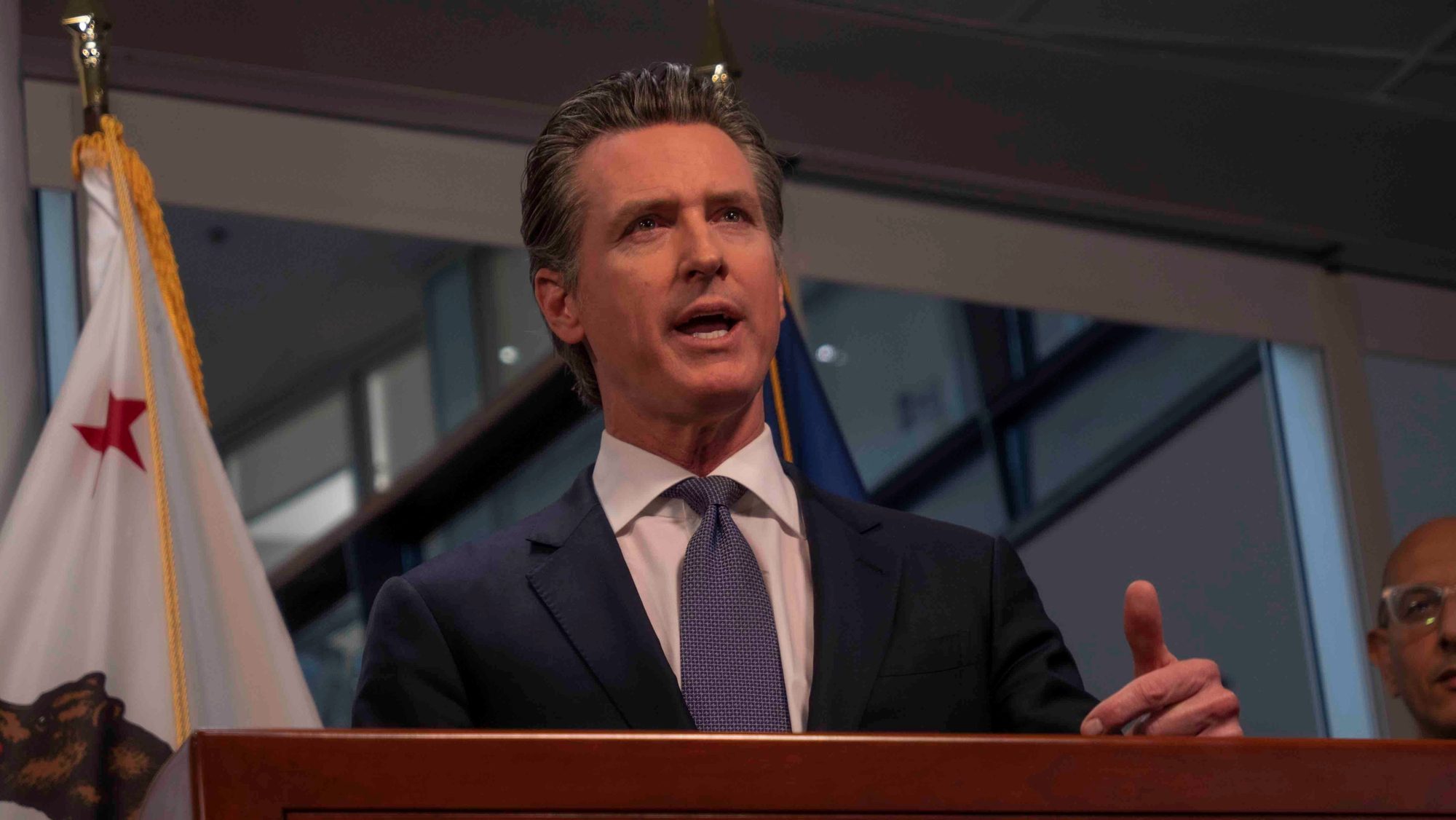
General Manager Bob Powers celebrated the results at a press conference Tuesday.
"The new fare gates are at the core of what I call the 'New BART.' We are offering our riders a safer, cleaner, and more reliable experience than even just a year ago," Powers said.
Data BART posted alongside the announcement showed crimes per 1 million passengers declining from roughly 11 in the first quarter of fiscal year 2025 to about 7 by the fourth quarter of fiscal year 2026. That quarterly trend represents a smaller decline than the 67% headline figure, which BART said is measured from the end of 2024. The agency did not explain the methodology behind the difference.
Trains delayed because of police and security issues fell from about 2,000 per quarter to roughly 1,000 over the same period.
The $10 million revenue recovery figure aligns with a May 2026 Contra Costa County Civil Grand Jury report, which estimated the new gates would generate $8 million to $10 million in additional annual revenue. That report also found the broader Safe and Clean Plan had reduced reported crime per rider, decreased fare evasion and improved rider satisfaction scores for cleanliness.
The recovered revenue covers only a fraction of BART's financial gap. The grand jury report noted BART projects a $375 million structural operating deficit in fiscal year 2027. BART has said each 5% increase in ridership translates to about $13 million in new annual revenue. The system carried more than 55.6 million passenger trips in calendar year 2025, up from 50.7 million in 2024, according to BART's ridership data.
The gate installation began at 15 stations in the second quarter of fiscal year 2025 before expanding systemwide. BART said it is continuing to test improvements to make the gates more resilient. No timeline for the next round of upgrades has been announced.