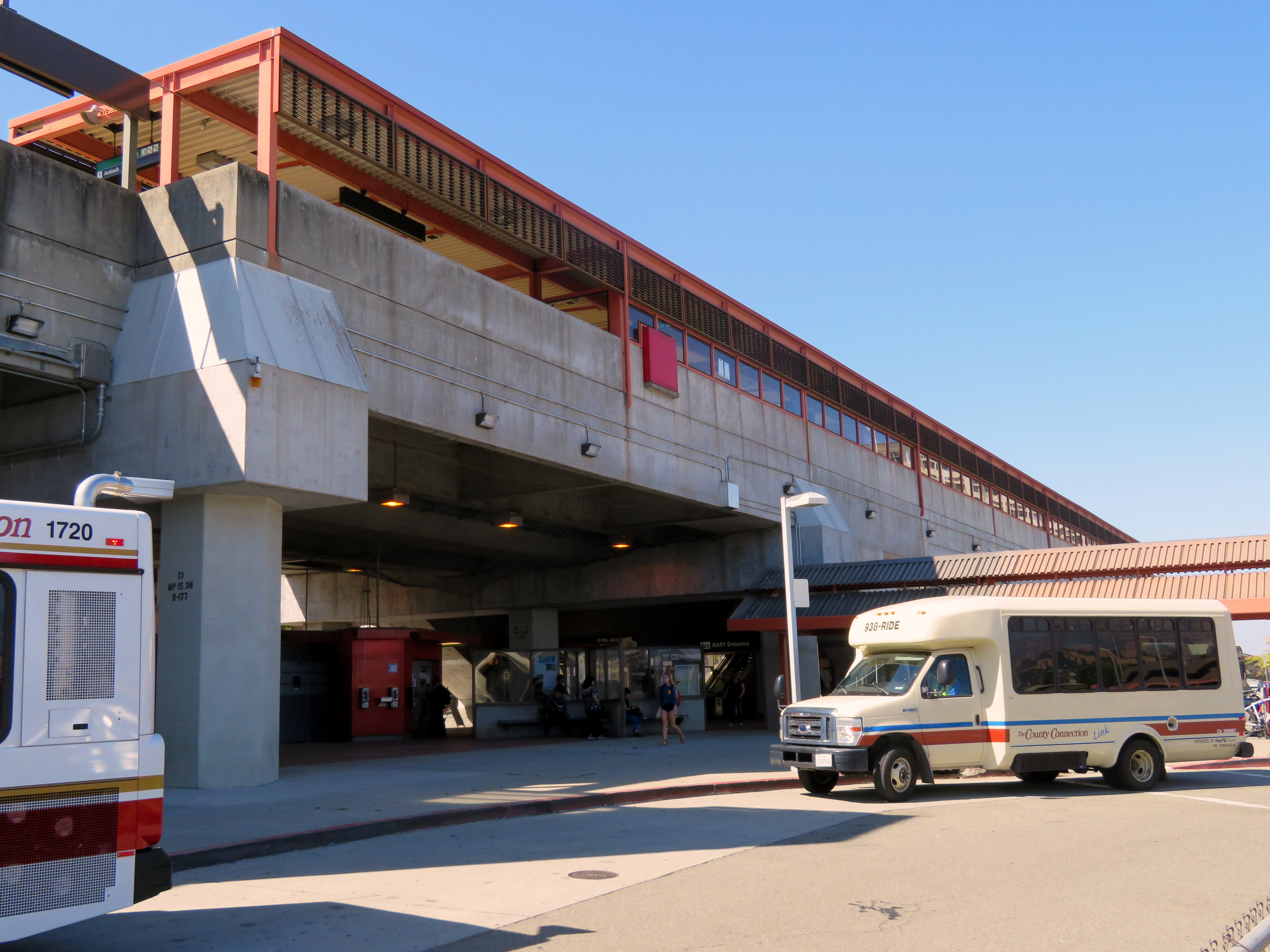
Walnut Creek-based BART met with U.S. Transportation Secretary Sean Duffy on Tuesday, Sept. 15, presenting its crime-reduction record and pushing for federal funding.
General Manager Bob Powers and Police Deputy Chief Gina Galetti represented the agency at the National Transit Safety and Security Summit in Washington, D.C. The event gathered leaders from 15 of the nation's largest transit agencies to share strategies on reducing crime and protecting riders, according to a press release from the Washington Metropolitan Area Transit Authority. WMATA General Manager Randy Clarke and LA Metro CEO Stephanie Wiggins co-chaired the summit.
On the sidelines, Powers and Galetti met with Duffy and other federal officials. BART said on X that the delegation shared the agency's progress on reducing crime through strategic police deployment and new fare gates, and advocated for federal funding to sustain those gains. No dollar figure was named.
Crimes against riders per million trips fell 67% between the end of 2024 and June 2026, according to data BART presented to Duffy. Safety-related train delays dropped 47% over the same period. Riders who reported witnessing fare evasion fell 60%.
BART credits much of the improvement to next-generation fare gates installed at all 50 stations by September 2025. The agency estimates those gates save $10 million a year in recovered fare revenue, according to Claycord.
"Putting the safety of riders first has meant boosting our visible BART Police Department presence on trains and in stations as well as installing new fare gates at all 50 of our stations," Powers said in a statement released at the summit. "… Crimes against riders are down 67% and safety-related train delays are down 47% since the end of 2024."
At a Sept. 8 news conference, BART Police Chief Kevin Franklin called the gates a "force multiplier," saying officers can respond faster to emergencies because crime is less frequent, as KQED reported. BART's most recent quarterly customer satisfaction rate hit 91%, which officials described as the highest ever recorded.
The federal pitch comes as BART faces a structural deficit of up to $400 million. The agency has warned of potential steep service cuts, including ending trains at 9 p.m. and eliminating two lines, according to KQED. A 14-year sales tax increase to fund public transit is on the November 2026 ballot.