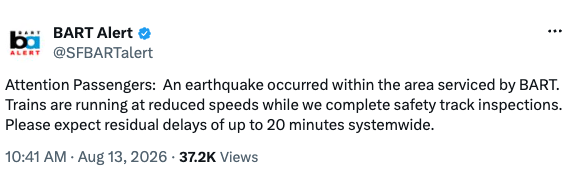
A 3.8 magnitude earthquake centered near San Leandro shook Walnut Creek and the broader East Bay on Thursday morning, Aug. 13, forcing BART to slow trains systemwide and leaving commuters with delays of up to 20 minutes.
The quake struck at 8:30 a.m. about 2.4 miles north of San Leandro, according to the U.S. Geological Survey. Shaking was felt across the East Bay, including in Walnut Creek, Oakland, Pinole, Alameda and Martinez, as well as in San Francisco, KRON4 reported.
One Walnut Creek resident told KRON4 the quake felt "like the house was being gently rocked."
Two smaller aftershocks followed at 9:07 a.m., just four seconds apart. The USGS recorded those at magnitudes 3.0 and 2.8, both centered about 2 miles north of San Leandro, according to KQED.
No injuries or structural damage were reported. Walnut Creek Police and Contra Costa County Fire had not issued statements as of Thursday morning.
BART response
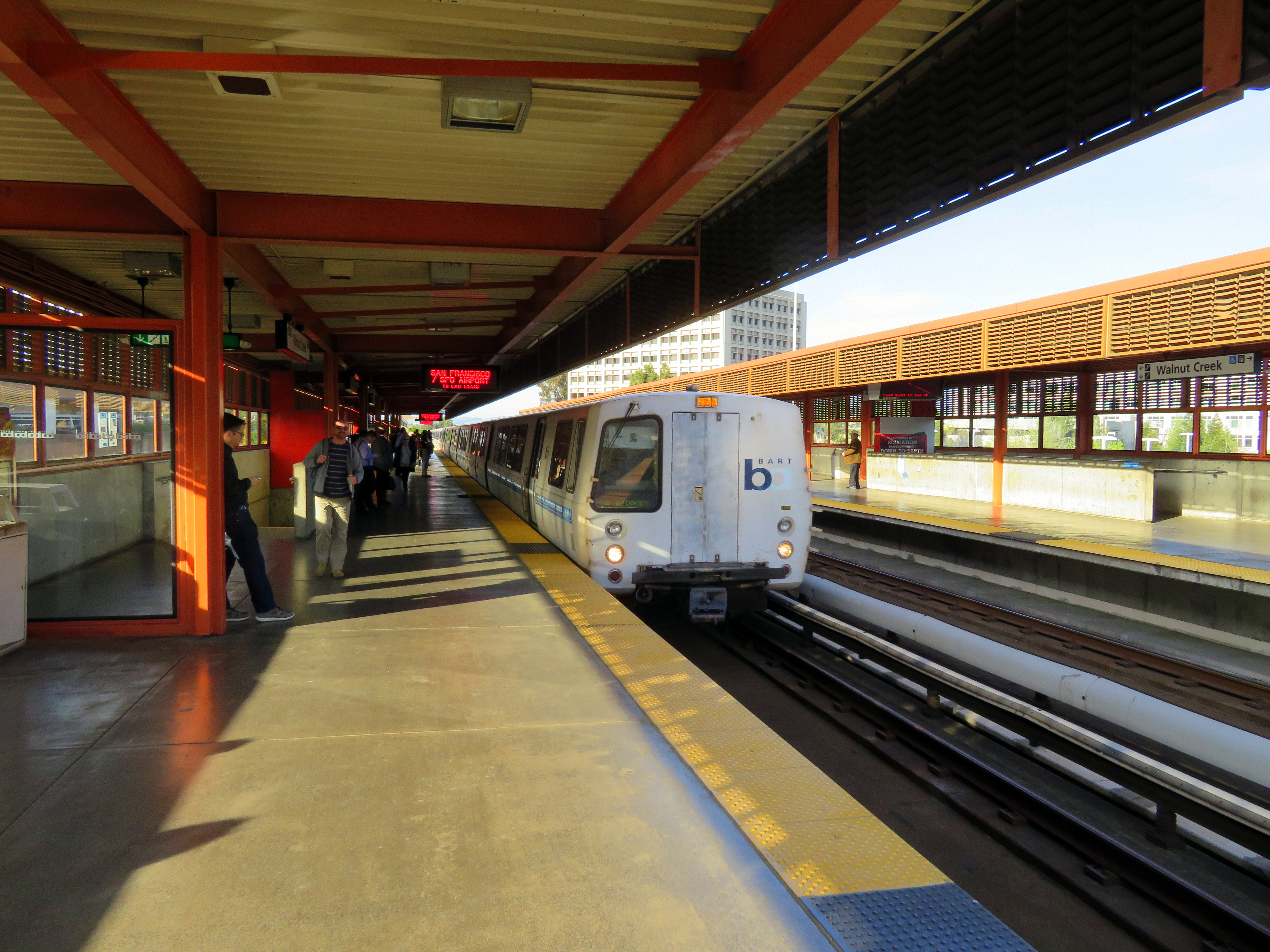
BART immediately slowed trains across its entire system for safety track inspections. The agency said on its alert feed on X that trains were running at reduced speeds while crews completed inspections and that riders should expect residual delays of up to 20 minutes systemwide.
By approximately 9:08 a.m., BART said it had concluded inspections and resumed normal service, though residual delays were still expected. BART has used the ShakeAlert early warning system since 2012 to automatically slow trains when seismic activity is detected.
ShakeAlert triggered
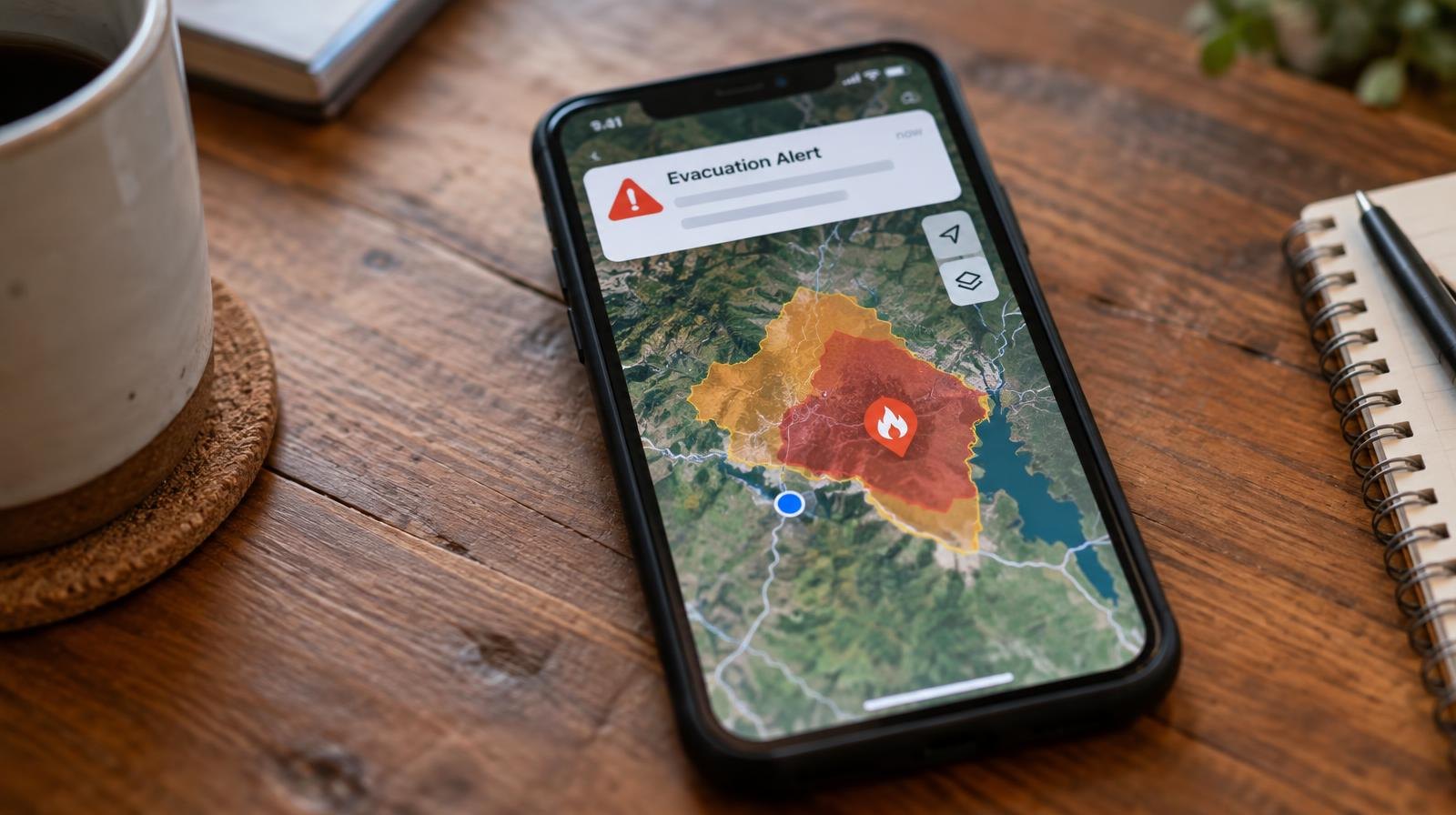
The USGS said the quake was strong enough to trigger ShakeAlert, the West Coast earthquake early warning system, which fired its first message 3.7 seconds after shaking began. No wireless emergency alerts were sent to phones because the system only pushes those for quakes estimated at magnitude 5.0 or higher.
The USGS initially measured the quake at magnitude 4.1, then revised it to 3.9 before settling at 3.8.
Hayward Fault context
The epicenter sits along the Hayward Fault, which runs from San Pablo Bay south to Fremont through densely populated East Bay cities. State Highway 24, the route connecting Oakland to Walnut Creek through the Caldecott Tunnel, crosses the fault at a section built on extensive earth fill.
Residents who felt shaking can report it to the USGS "Did You Feel It?" tool at earthquake.usgs.gov. The agency recommends practicing "drop, cover and hold on" as the standard protective action during any earthquake.