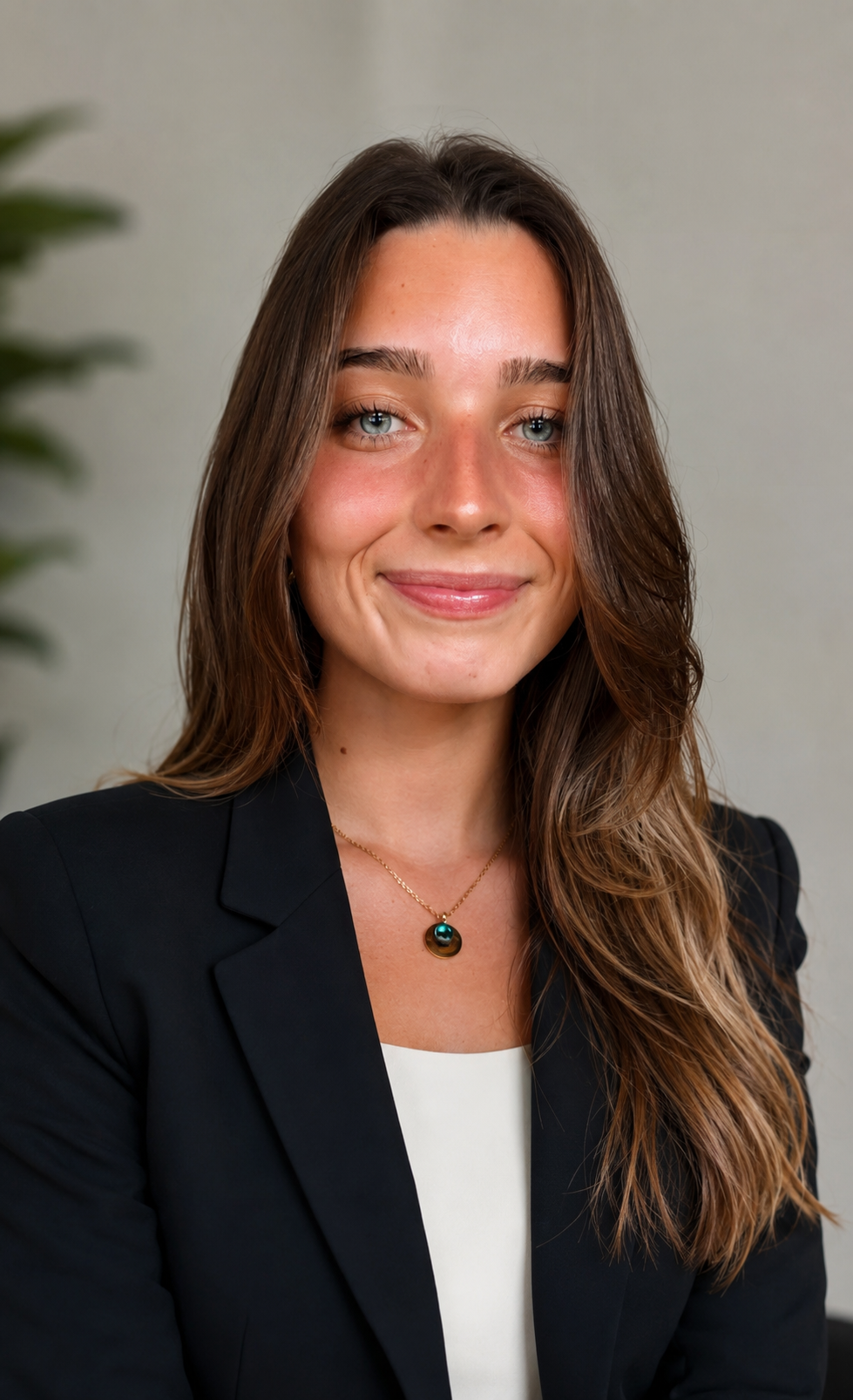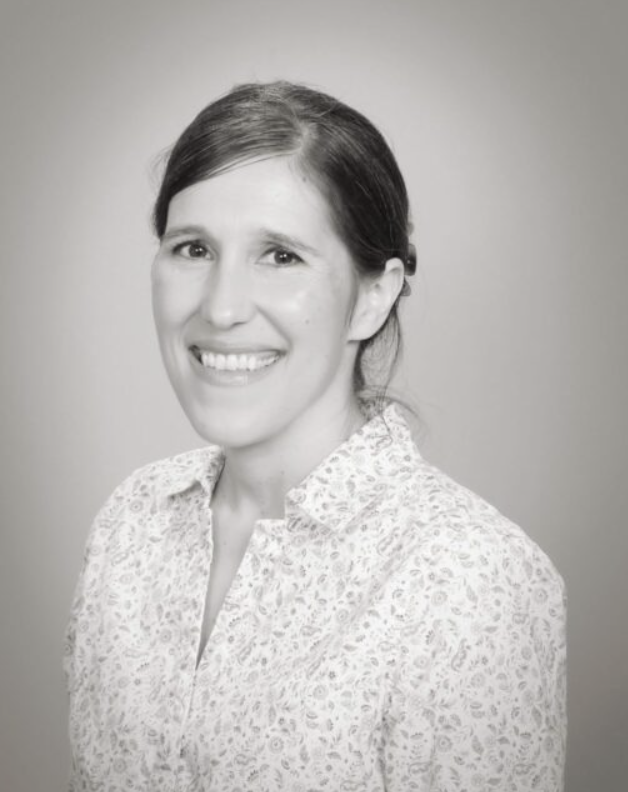
Sibyl Minighini, a school psychologist, is running for the Area 2 seat on the Contra Costa County Board of Education in the Nov. 3, 2026, general election.
The nonpartisan race also includes Pamela West and Sarah G. Butler.
In a written questionnaire to Surround Sound News, Minighini explained why she is running. "Decisions about special education, student mental health, and staffing are made at the board level, and too often without input from the people who carry them out," she said.
She wants the board to make decisions "with that reality in view." Her focus would be "timely support for struggling students, sustainable workloads for the staff who serve them, and clear communication with families."
Candidate information
Occupation: School psychologist across multiple school sites, assessing students’ learning needs, participating in individualized education program (IEP) meetings and recommending extended school year services.
Education: "I hold a master's degree in education and a bachelor's degree in anthropology," Minighini said in our questionnaire.
Family: Minighini said she and her family have lived in Contra Costa County for 20 years.
Previous elected or appointed office: None, according to her questionnaire response.
Party affiliation: None, according to her questionnaire response.
Experience and public service
Minighini previously ran for the Acalanes Union High School District board in 2024, according to her campaign website.
On the issues
The following positions draw on Minighini’s written questionnaire responses to Surround Sound News.
What sets her apart: Minighini pointed to her experience working directly with students. "I bring nearly twenty years of direct, daily work with students who have disabilities, mental health needs, and learning differences." That work spans "multiple school sites," she said.
She added, "I know special education law and what it takes to comply with it on a real caseload." She also said, "I know which policies help staff serve students well and which ones create delays and paperwork without helping a child."
Biggest challenge facing students: Minighini said the biggest challenge is "the gap between the support students need and the capacity schools have to provide it." She said referrals for special education and mental health services "keep rising, while qualified staff are stretched across too many students and too many sites."
As a board member, she said she would "start by asking for clear data: referral volumes, evaluation timelines, caseload sizes, and vacancy and turnover rates by site." She would also "push for budget priorities that fund early intervention, so fewer students reach crisis before they get help."
Balancing priorities: When asked how schools should balance academic achievement, mental health, safety and staffing, Minighini said "the district should not treat these as competing priorities, because they depend on each other." She added, "Students who are anxious, unsafe, or without consistent teachers cannot learn at their best."
She said she would ask for "a few shared measures, such as academic growth, attendance, staff turnover, and referral wait times, and review them by site." She added, "Where the data shows the greatest need, that is where new dollars should go first."
Budget approach: Minighini said she would "start by treating the budget as a statement of priorities, not just a set of numbers." She would "ask for multi-year projections, enrollment trends, and a clear breakdown of fixed costs … versus areas where the board has real discretion."
Best advice: "Do what's right always," Minighini said.