Consultant Gleb Tsipursky is urging Contra Costa County agencies to document searches of their Flock license plate reader databases and publish annual reports on access reviews, errors and corrective action.
His Oct. 21 letter to News24-680.com responds to Walnut Creek resident Stephen Rivera, who argued that safeguards could address misuse without abandoning the cameras.
Tsipursky, who identifies himself as CEO of Disaster Avoidance Experts, wrote that each search should record its purpose, case number and authorized user. He also proposed retention limits, regular reviews of sampled searches, supervisor investigations of exceptions and an independent complaint process.
“An annual public report could summarize access reviews, errors and corrective steps without compromising live investigations,” he wrote.
Some safeguards were already described in a June 17, 2025, Walnut Creek police staff report.
The report sought authorization for a two-year Flock agreement and described automatic deletion after 30 days, individual login credentials and a required justification for every search. It proposed 22 fixed cameras. The document does not establish the current installed total or how the department currently implements and audits those safeguards.
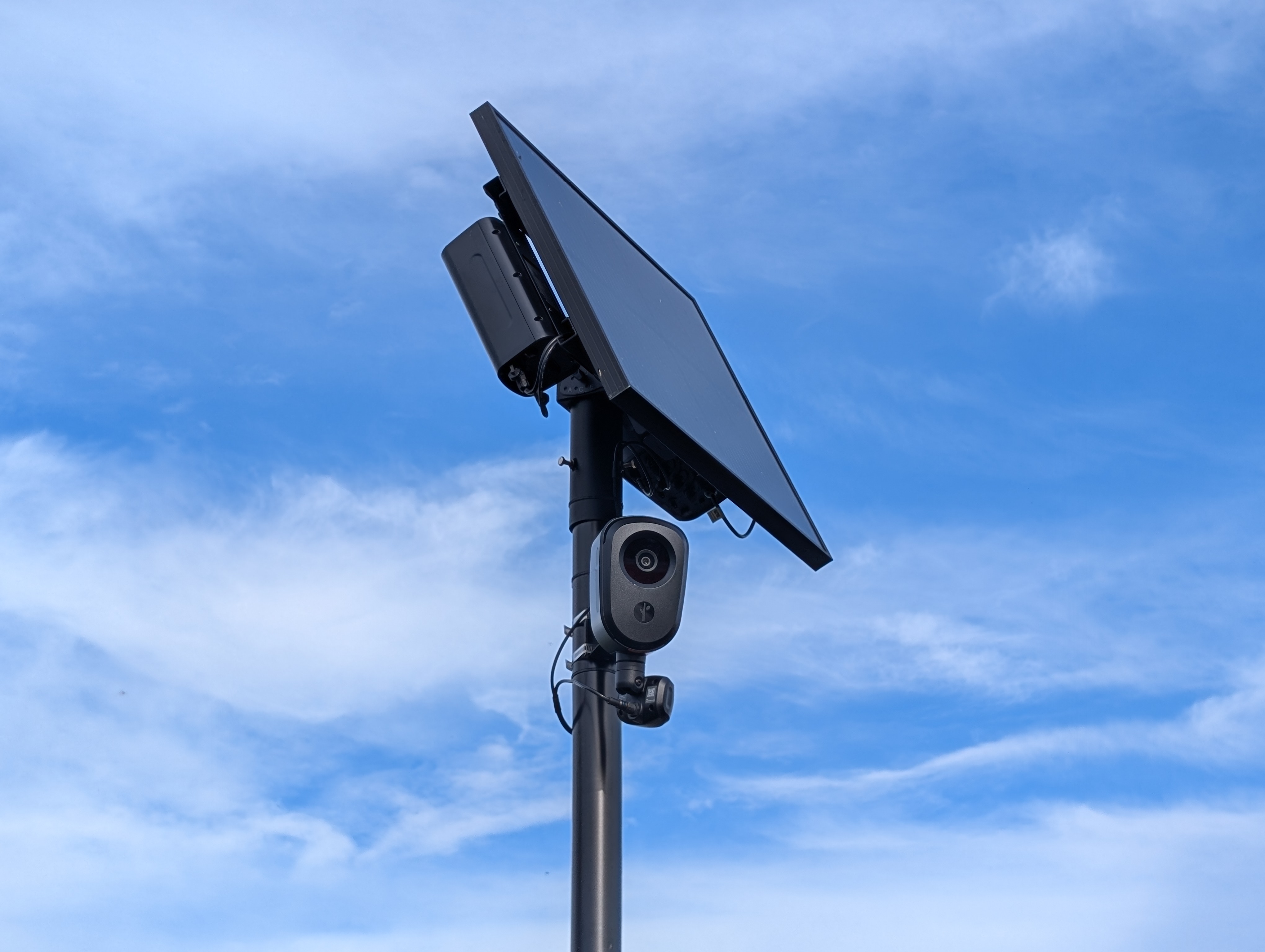
A March 27, 2026, environmental filing separately described plans for a solar-powered Flock camera on an existing traffic signal pole on Ygnacio Valley Road.
The discussion reflects broader regional concerns about police access to vehicle-location records.
KQED reported Oct. 19 that Richmond, Santa Cruz, El Cerrito and Los Altos Hills had reduced or ended their relationships with Flock over privacy and data-sharing concerns. Some communities have switched vendors rather than abandoned license plate readers.
KQED also reported that San Francisco announced a reduction from one year to 30 days in the period during which police could access license plate reader data. The outlet also reported that Flock had recommended a seven-day retention period.
In his Oct. 2 letter, Rivera acknowledged misuse concerns but argued for access controls, auditing and consequences for violations.
Tsipursky’s letter calls for residents to have a public record they can use to evaluate those protections.